

Anger & Stress Management
Creating Calmer Homes Starts with Better Tools

- Home /
- Anger & Stress Management
Anger & Stress Management Classes
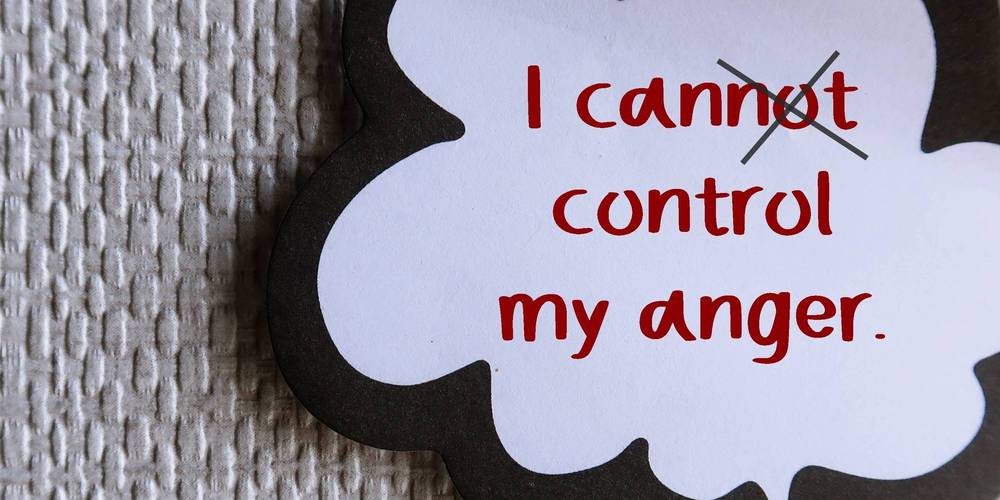
Everyone feels angry or overwhelmed sometimes. Parenting, work, relationships, and daily stress can make emotions feel hard to manage.
Beech Brook's Anger & Stress Management classes help adults recognize what triggers anger, understand how stress affects reactions, and learn practical tools to respond in healthier ways. Participants learn simple strategies to pause, think clearly, and respond instead of reacting — helping create safer, calmer homes for children and families.

What You’ll Learn
In these classes, participants practice skills to:
✔ Recognize personal anger triggers
✔ Understand how stress affects the brain and body
✔ Pause and calm down before reacting
✔ Communicate more effectively during conflict
✔ Solve problems without escalating arguments
✔ Build healthier patterns for relationships and family life
The goal is not to eliminate anger — anger is a normal emotion.
The goal is learning how to handle it in a healthy, constructive way.
Who Should Attend?
These classes are helpful for adults who:
- Feel overwhelmed or stressed by daily life
- Want better tools for handling frustration or conflict
- Want to create a calmer environment for their children
- Want to strengthen communication with partners or family members
- Are working on personal growth and emotional regulation
You do not need a referral to attend.
Beech Brook staff provide a supportive, respectful environment where everyone can learn at their own pace.
Ready to Join?
Contact Debra Brown, Manager of Beech Brook's Parenting Programs, with questions or to let us know you're coming!
📧 Email: debrown@beechbrook.org
📞 Call: 216.391.4069
Child care is provided.

When adults have the tools to manage stress and anger in healthy ways, families experience:
• Less conflict in the home
• Better communication between partners and family members
• More emotional safety for children
• Stronger and more stable relationships
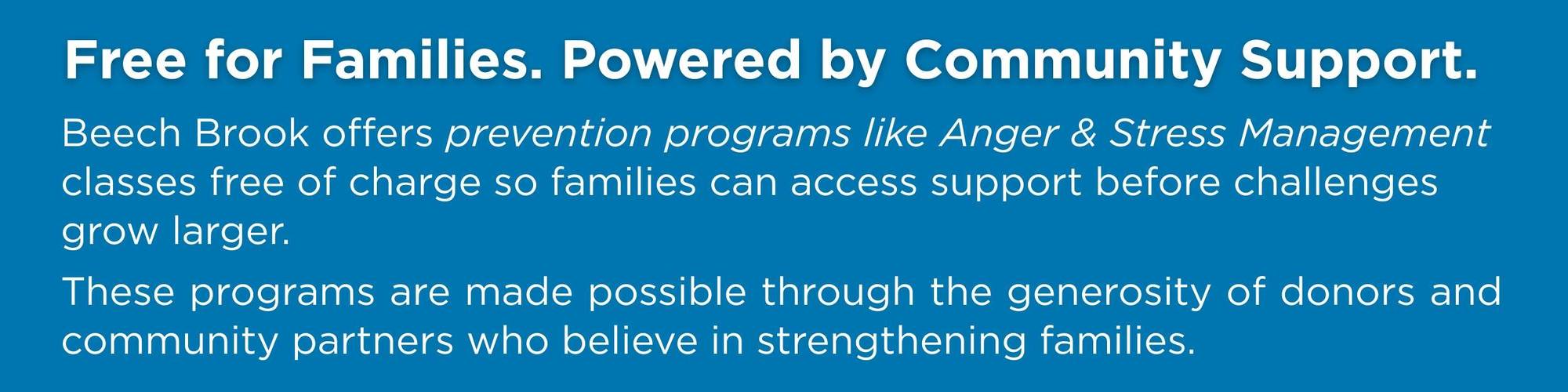
Your support is helping children & families thrive!
It takes many partners who share our vision of a future where every child and family thrives to keep our mission alive.
Photo Gallery
1 of 22